From Crisis to Care: Resources to Support Mental Health After Natural Disasters
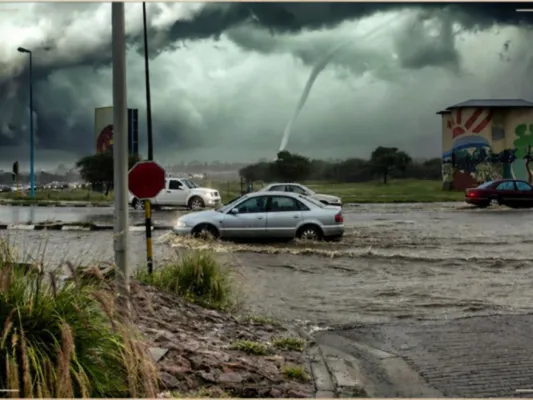
A natural disaster—such as a hurricane, wildfire, earthquake, or flood—can be a life-changing event. These events can also bring a host of stressors. Disaster behavioral health focuses on helping people manage the mental stress, emotions, and substance use—including alcohol use—that can come with a natural disaster (Substance Abuse and Mental Health Services Administration [SAMHSA], 2025). Many resources can help young people know what to do before, during, and after events like hurricanes, wildfires, or floods. These resources can help lessen the confusion that may follow such events.
Perspectives on Support After Natural Disasters
I recently spoke to some young people about their experiences with natural disasters. One said she felt “a lot of fear and anxiety” after an ice storm. Another wondered, “Are there safe places or people to talk to when you’re still anxious days later?” and asked, “What resources exist to help manage the stress associated with natural disasters?”
Other young people highlighted technology as a big help. They said it would be “especially beneficial in finding support resources and tools” and expressed that apps or websites that “explain what’s happening in simple language or let you talk to someone anonymously” could make it easier to find support and cope after a natural disaster.
These experiences are similar to what the Centers for Disease Control and Prevention (CDC) shares in its teen stories. Teens like Abby, Alexis, Jaylon, and Mariana talk about going through different disasters and the ways they found support, managed stress, and felt safer afterward. Just like the young people I spoke with, they highlight the importance of having trusted people to talk to and knowing where to find helpful resources (Centers for Disease Control and Prevention [CDC], 2024a).
The resources below were created by the federal government to support people before, during, and after disasters.
What You Can Do
 | Understand your emotions and the symptoms to look for.You may feel many emotions after a disaster. It is important to monitor these emotions and stay aware of how you are feeling. The CDC offers a fact sheet, Coping with a Disaster or Traumatic Event, that describes common signs of distress to look out for, such as changes in appetite, difficulty sleeping, skin rashes, and feelings of fear or anger. Although the fact sheet is made for parents and guardians, it includes information that can be helpful to young people as well. The fact sheet also includes advice on ways to take care of yourself after a disaster, including eating healthy, getting plenty of sleep, sharing feelings with a friend or family member, taking time to unwind, and talking to a counselor or doctor or contacting the SAMHSA Disaster Distress Hotline at 1-800-985-5990 (CDC, 2024b). |
 | Talk to people you trust about your feelings.Talking about your emotions and experiences with people you trust can help you start to process them (CDC, 2024a). Connecting with others can be a helpful source of support after a disaster. |
 | Find ways to manage your stress.Finding ways to manage stress after a disaster is important for your overall well-being. Activities like painting, writing, volunteering, and swimming can help you cope (CDC, 2024c). Taking part in activities that engage your mind and body can be helpful, so it is important to find what works for you. |
 | Be mindful of your physical health.Stress can show up in many ways. It can cause physical symptoms like headaches, stomachaches, and changes in your energy. You can take steps to help cope with stress. For example, you can exercise, practice mindfulness, get adequate sleep, and stick with routines. The National Institute of Mental Health’s “Coping with Traumatic Events” webpage offers tips for coping. It describes emotional and physical responses that are common after trauma. It also includes healthy ways to cope, such as spending time with friends and family (National Institute of Mental Health [NIMH], 2025). |
 | Professional support is available.If you want extra support managing your emotions after a disaster, consider reaching out to a mental health provider, such as a school counselor or a doctor you see regularly. You can also contact the 988 Lifeline, which offers call- and text-based support (SAMHSA, 2025). Another option is the Substance Abuse and Mental Health Services Administration’s Disaster Distress Hotline, which provides 24/7 crisis counseling, coping tips, information about distress after a disaster, and referrals for additional support. You can reach the helpline at 1-800-985-5990 (SAMHSA, 2025). |
If you have been through a natural disaster, remember that your feelings are valid and help is available. Talking with a trusted adult, finding a creative outlet, or seeking professional guidance can help you get the support you need to heal and move forward.
Resources
Centers for Disease Control and Prevention. (2024a, April 22). Finding a new normal: Life after a natural disaster. https://www.cdc.gov/natural-disasters/teens/life-after-a-natural-disaster.html
Centers for Disease Control and Prevention. (2024b, April 24). Coping with a disaster or traumatic event factsheet. https://www.cdc.gov/natural-disasters/communication-resources/coping-with-a-disaster-or-traumatic-event-factsheet.html
Centers for Disease Control and Prevention. (2024c, April 22). Healthy ways to deal with stress after a natural disaster. https://www.cdc.gov/natural-disasters/teens/healthy-ways-to-deal-with-stress.html
National Institute of Mental Health. (2025, January). Coping with traumatic events. https://www.nimh.nih.gov/health/topics/coping-with-traumatic-events