Energy Drinks Unplugged: The Truth Behind the Buzz
We’ve all felt it. The sheer exhaustion that hits like a tidal wave after a long night of studying (or, let’s be honest, gaming or scrolling on your phone). It’s no surprise that many teens grab an energy drink to fight exhaustion—about 30-50 percent of adolescents say they drink them.1
It’s no secret that energy drinks are more popular than they have ever been. Whether you’re at a store, at school, or on social media, they’re hard to miss. But have you ever thought about what's inside those neon-colored cans, or how these drinks affect your body?
In this post, we’ll crack open the truth about energy drinks. Read on to learn about the ingredients that give them their “kick” and the ways they may affect your health. We will also discuss why it’s so important to be aware of these facts before you grab that next can.
Capturing the Contents
What is an energy drink?
According to the Centers for Disease Control and Prevention (CDC), an energy drink usually contains high amounts of caffeine and other legal stimulants, added sugars, and other additives.2
Legal stimulants are substances you can legally buy that speed up your body and brain. They can make you feel more awake, alert, or “hyped up.” In energy drinks, these often include caffeine, guarana, taurine, and L-carnitine.3
Think twice!
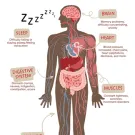
Energy drinks can have harmful effects on your nervous system, especially when consumed regularly. According to the CDC some of the risks linked to frequent energy drink use include:4
- Anxiety: Not just “stress.” This can feel like your heart racing, sweaty palms, overthinking everything, or feeling on edge for no clear reason.
- Insomnia: Trouble falling asleep. Waking up in the middle of the night. Feeling exhausted the next day and then reaching for another energy drink to cope.
- Dehydration: When your body doesn’t have enough water. You might get headaches, feel dizzy, have dry lips, or feel extra tired (which can trick you into thinking you need more caffeine).
- Digestive problems: Stomach aches, nausea, acid reflux (that burning feeling in your chest), or needing to run to the bathroom more than usual.
- Heart problems: Your heart beating too fast, too hard, or irregularly. In rare but serious cases, this can lead to serious heart-related issues.
The more energy drinks you consume in a short time, the more intense these effects can be.
Here’s why this matters: your brain is doing incredible work right now. It’s developing connections that will last your whole life. Energy drinks may disrupt this process. That’s why choosing other drinks can support your brain’s amazing development!
Fuel Your Body with Healthy Food Instead
If you’re looking for a smarter way to boost your energy, a balanced lifestyle may be the answer. Instead of consuming energy drinks, aim to get enough sleep and hydration (water); partake in regular exercise; and eat healthy food.
When it comes to food, remember this motto: sugar isn’t sustainable. When you eat or drink sugary snacks or beverages, your energy spikes fast but then it crashes hard. This can leave you feeling tired and sluggish.5 The federal Dietary Guidelines for Americans recommends everyone avoid energy drinks and reiterates that 11- to 18-year-olds significantly limit energy drinks.6 Plain black coffee and tea are better sources of caffeine. The Dietary Guidelines for Americans can be found at realfood.gov.
But some foods give you energy that lasts longer and helps you to feel good.
According to the Dietary Guidelines for Americans, foods that give you steady, lasting energy include:7
- Whole grain foods, oats, and brown rice.
- Vegetables. Good options include broccoli, carrots, and leafy greens.
- Whole fruits (can be fresh, canned, frozen or dried)
- Plant and animal proteins
Conversely, foods that cause your energy to crash and you may want to try to avoid include:
- Candy, cookies, and sugary drinks;
- White flour products like bread and pasta; and
- Most processed snacks.
You can also check out our resources on reducing stress such as:
- Coping with Chronic Stress: Healthy Strategies for Young Changemakers, focuses on practical strategies for managing ongoing stress, setting boundaries, and protecting well-being
- The Hidden Impact of Chronic Stress: What You Should Know, focuses on how stress shows up in your body/mind and why it matters
To recap, foods with fiber, protein, and healthy fats will keep your energy steady. Similar to the effects of energy drinks, foods with a lot of sugar or refined flour will give you a quick boost followed by a crash.
All in all, try getting your energy from the sources that will best support your whole self.8 By making smart, health conscious choices, you can give your body the fuel it needs to outlast the day!
1 Centers for Disease Control and Prevention. (2024, July 22). The buzz on energy drinks. https://www.cdc.gov/school-nutrition/energy-drinks/index.html
2 Centers for Disease Control and Prevention. (2024, July 22). The buzz on energy drinks. https://www.cdc.gov/school-nutrition/energy-drinks/index.html
3 Centers for Disease Control and Prevention. (2024, July 22). The buzz on energy drinks. https://www.cdc.gov/school-nutrition/energy-drinks/index.html
4 Centers for Disease Control and Prevention. (2024, July 22). The buzz on energy drinks. https://www.cdc.gov/school-nutrition/energy-drinks/index.html
5 Centers for Disease Control and Prevention. (2024, July 22). The buzz on energy drinks. https://www.cdc.gov/school-nutrition/energy-drinks/index.html
6 U.S. Department of Health and Human Services & U.S. Department of Agriculture. (2026). Dietary guidelines for Americans 2025-2030. 10th Edition. https://cdn.realfood.gov/DGA.pdf (PDF, 10 pages)
7 U.S. Department of Health and Human Services & U.S. Department of Agriculture. (2026). Dietary guidelines for Americans 2025-2030. 10th Edition. https://cdn.realfood.gov/DGA.pdf (PDF, 10 pages)
8 National Center for Complementary and Integrative Health. (2018, July). Energy drinks. U.S. Department of Health and Human Services. https://www.nccih.nih.gov/health/energy-drinks